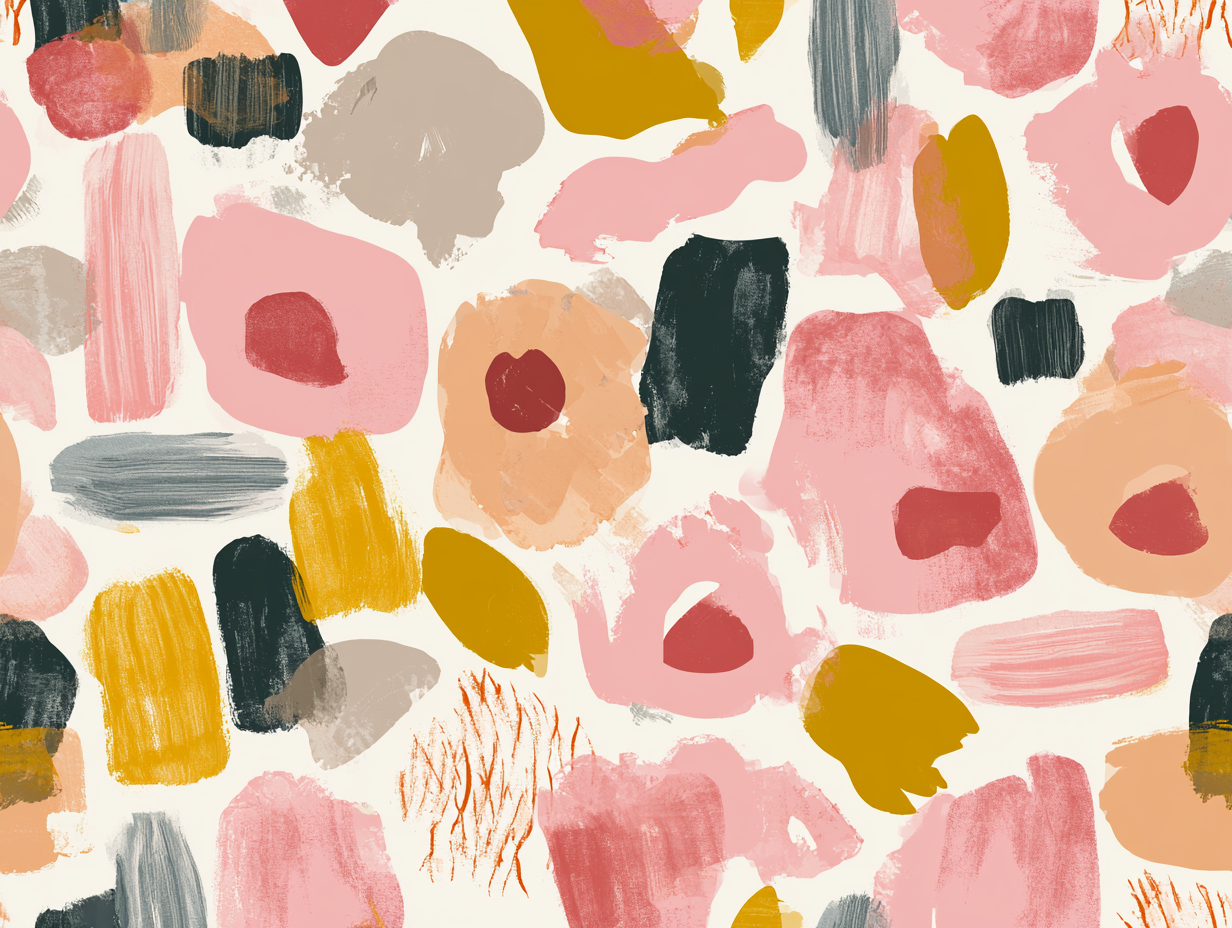
Summer is in full swing, and it’s a great time to be a pattern lover. Whether you’re pitching collections to licensing clients, building out your print-on-demand shop, or refining your portfolio for agents, knowing what’s selling now gives you an edge. Here are the five trends shaping the textile design conversation in June 2026, and how to use each one to your advantage.
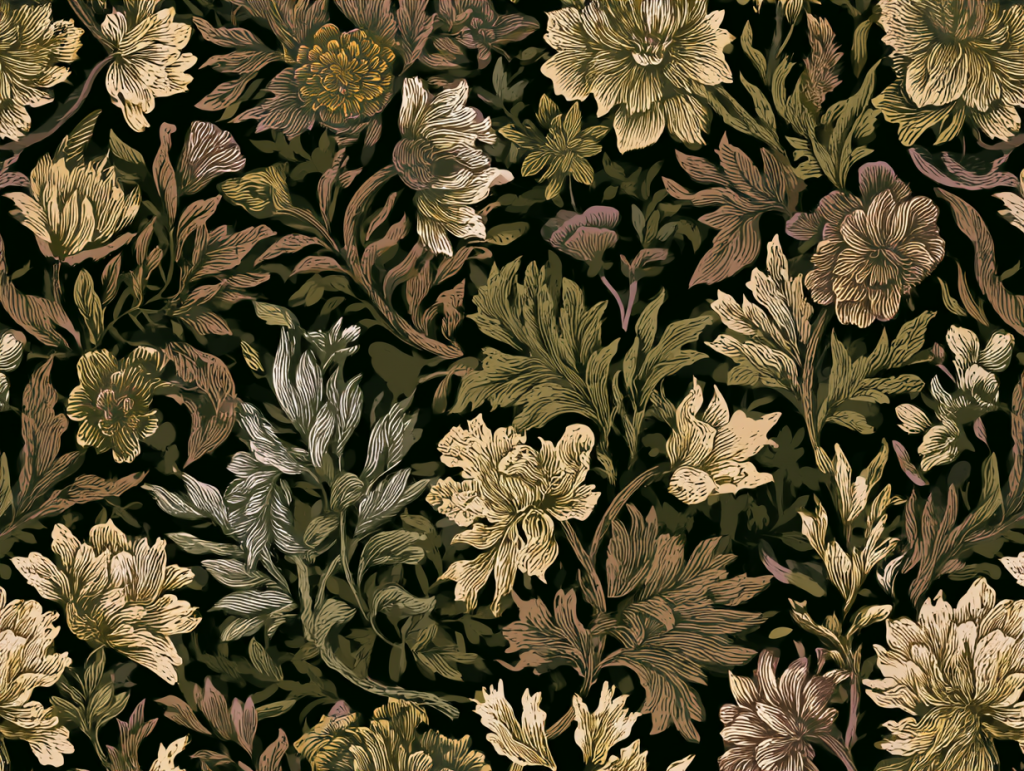
1. Dark Grounds, Rich Depth
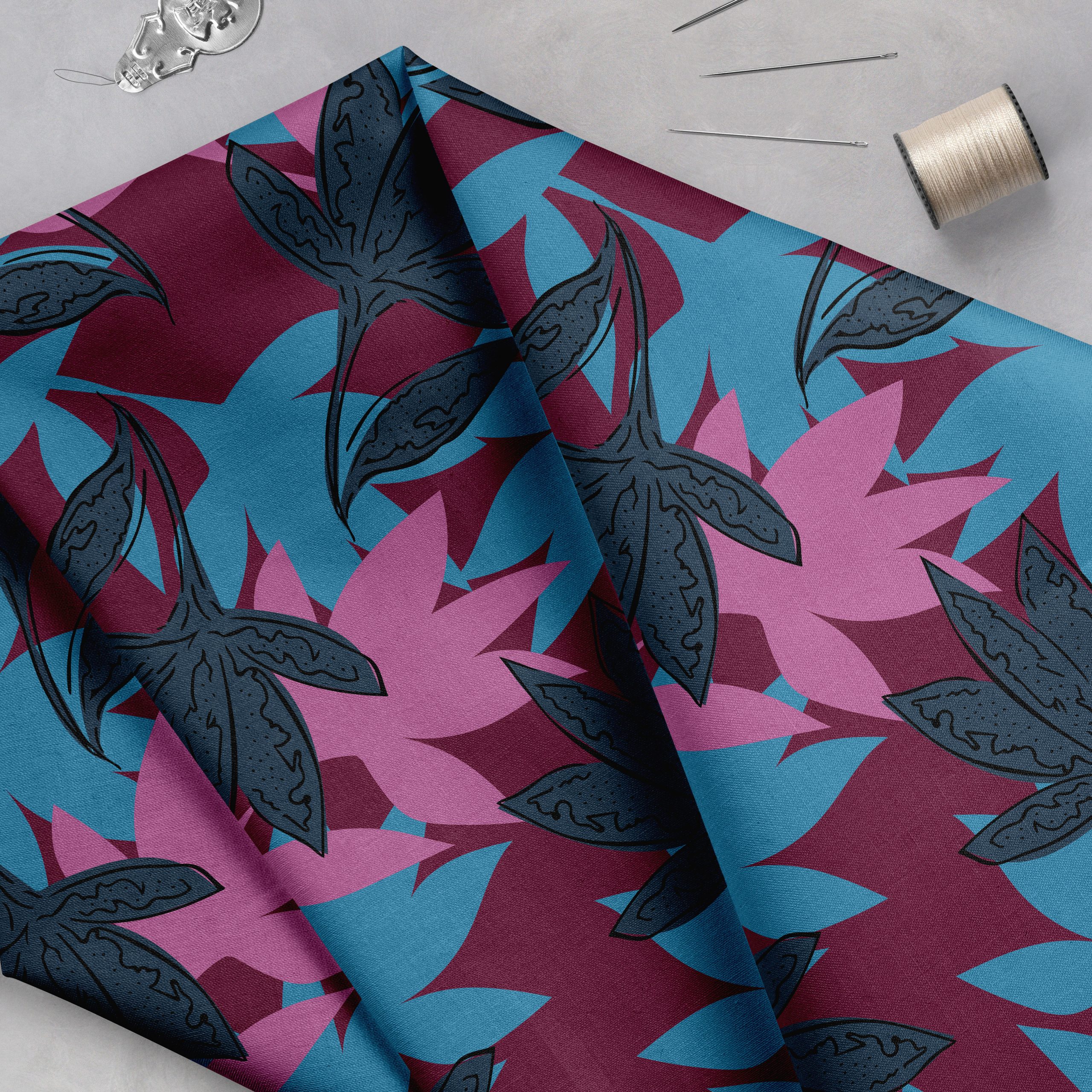
Despite the warm weather, buyers are hungry for patterns built on dark, deeply saturated grounds: oxblood, forest green, aged charcoal, inky navy. Think antique botanical illustrations, ornate florals, and heritage motifs rendered against a near-black or deeply jeweled background.
The trend draws from a palette of burnt gold, cream, and deep olive layered over dark grounds. What makes it work commercially is that it reads as both sophisticated and versatile. These prints sell in home decor for bedding, throw pillows, and table linens. In apparel, you’re seeing them in button-down shirts, scarves, and lounge sets.
You can see this playing out across Spoonflower’s dark-ground floral category , and in Pottery Barn’s duvet and bedding collection , where dark, richly patterned florals have become a consistent product in their home range.
Looking forward, try an engraved or woodblock-style with visible textures, not a perfectly smooth digital edge. Or perhaps a botanical floral motif on a deep plum ground with a limited three-color palette for those consumers who prefer a simplified spin on the trend.
2. Matured Folk and Heritage Florals
Cottagecore grew up. The soft, whimsical aesthetic of a few years ago has evolved into something more grounded and specific.
This trend draws from identifiable regional textile traditions, such as Provencal ditsy prints, Scandinavian folk florals, and William Morris-style botanical arrangements with structural repeats. The common thread is details and sophistication.
Color palettes are muddied, but in a good way. Sage green instead of mint. Dusty rose instead of blush. Ochre instead of butter yellow. The effect is warm, more sophisticated, and lasting across seasons.
Where is this selling? Home decor is the strongest category: wallpaper, table linens, curtain fabric, and decorative pillows. Quilting is close behind, where heritage motifs and small repeats are always in demand. A few examples of this trend are Folklectic , a blending of folk art and eclectic design and on Spoonflower, where Scandinavian and Swedish-heritage designs are always popular.
If you have a collection built around a specific cultural or botanical reference, now is the time to push it. Buyers are gravitating towards a sense of place and craft.
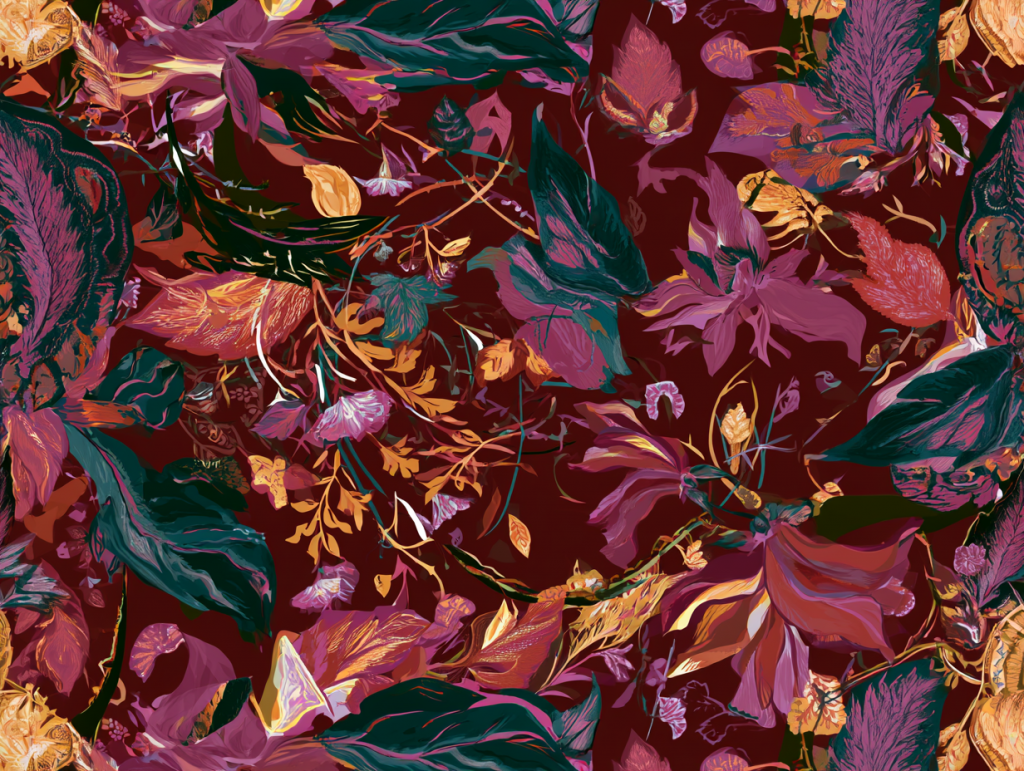
3. Maximalist Density Done Right
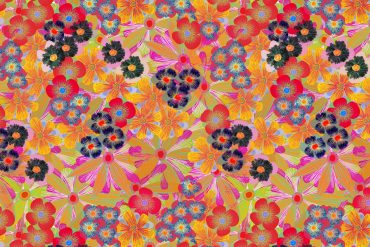
After years of quiet luxury and strategic restraint, maximalism is back, and it’s doing well commercially. The maximalist prints moving through licensing and fabric markets right now are densely packed but beautifully laid out. Large-scale botanicals with secondary motif layers. Rich, layered designs where the eye has somewhere to travel but is never lost.
This trend is particularly active in home decor. High-end wallpaper collections, upholstery fabric, and decorative pillow prints are leading. The apparel market is also picking it up in statement pieces, such as kimono-style jackets, wide-leg pants, and resort wear. You can see what this looks like in the market in publications like Homes & Gardens , which named maximalist botanical wallpaper one of the defining looks of the year.
Start with a strong structural layout before you add density. If your pattern is too unstructured, it reads as chaotic rather than luxurious. Build the layout first, then layer in your secondary motifs and details.
4. Warm Neutrals and Tactile Color
A parallel thread is running alongside the maximalist and dark-ground stories, and it’s equally popular. Warm, grounded neutrals with a tactile, almost material-like quality are popular in home decor and a growing portion of the apparel market.
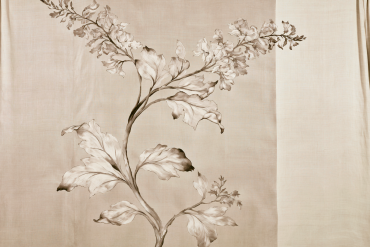
The palette is moving away from cool greys and stark whites toward mocha, burnt clay, desert sand, warm taupe, and dusty terracotta. These aren’t flat patterns; they suggest textures that simulate material rather than decorate it: tone-on-tone woven textures, subtle geometrics with a handmade quality, and minimal botanical prints that feel almost hand-stamped.
Interior designers are using these patterns heavily right now for upholstery, bedding, and bath textiles. The “quiet luxury” consumer — who has significant spending power and a sharp eye — is the primary buyer. This is showing up clearly at West Elm’s neutral bedding collection , where linen, mocha, and sand tones are front and center, and in trend reporting from design analysts tracking 2026 interior palettes as one of the year’s most durable categories.
For freelance and licensing designers, this means there’s real appetite for restrained, quality-forward collections that don’t depend on high-impact color to make a statement.

For POD, this is your opportunity in the kitchen and home goods categories. A warm textural repeat on tea towels, napkins, or table runners reads as elevated and gift-worthy, exactly the positioning that drives purchase decisions in that category.
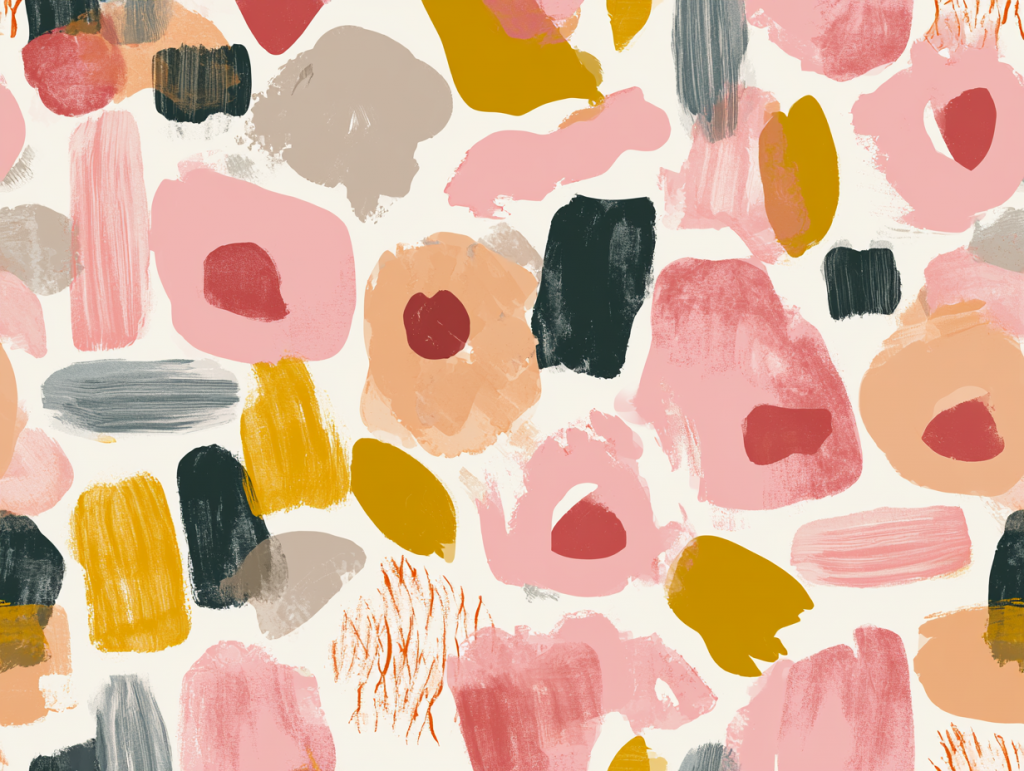
5. Handcraft and Imperfect Mark-Making
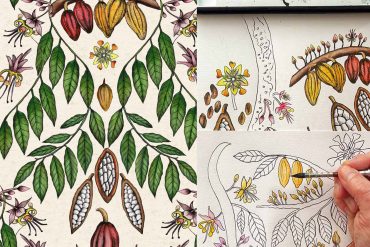
The final trend worth considering is the handcraft revival, specifically designs that have visible evidence of a human hand. Visible brushstrokes. Block-print registration shifts. Watercolor bleeds that look genuinely organic. Embroidery-inspired motifs with slight irregularity. Linoleum-cut edges.
This isn’t about looking unfinished. It’s about looking intentional in a way that digital-only processes can’t replicate. Buyers across categories have started to use the word “human” as a quality signal, particularly in a market where AI-generated imagery is everywhere. The pattern that looks like someone made it by hand — even if it was refined digitally — has a warmth and credibility that sells. Industry coverage backs this up: All About Fabrics cites hand-drawn lines and organic, imperfect shapes as one of the defining fabric directions for 2026, and on Spoonflower, the mark-making category is an active corner of the marketplace.
Where is this showing up commercially? Quilting fabric is a natural home, where hand-dyed and hand-printed aesthetics have always had a strong following. Apparel buyers are picking it up for casual and resort categories.
If you work in watercolor, gouache, or any hand-rendering medium before you move into Illustrator or Photoshop, this is your moment. Don’t smooth everything out. Keep the mark, keep the texture, keep the slight imperfection; it’s a genuine selling point right now.
What This Means for Your Work
These five trends don’t all live in the same collection, but they do share an underlying current: buyers in every category are looking for design that feels considered and made. Whether that’s the committed palette of a dark botanical, the cultural specificity of a heritage folk print, or the visible brushstroke in a handcraft piece, the market reward right now is for designers who bring a clear point of view and execute it with confidence.
The Textile Design Lab is where we dig into exactly this kind of work — trend analysis, collection building, portfolio development, and feedback from working industry professionals. If you’re ready to build a body of work that speaks to what buyers actually want, join us.