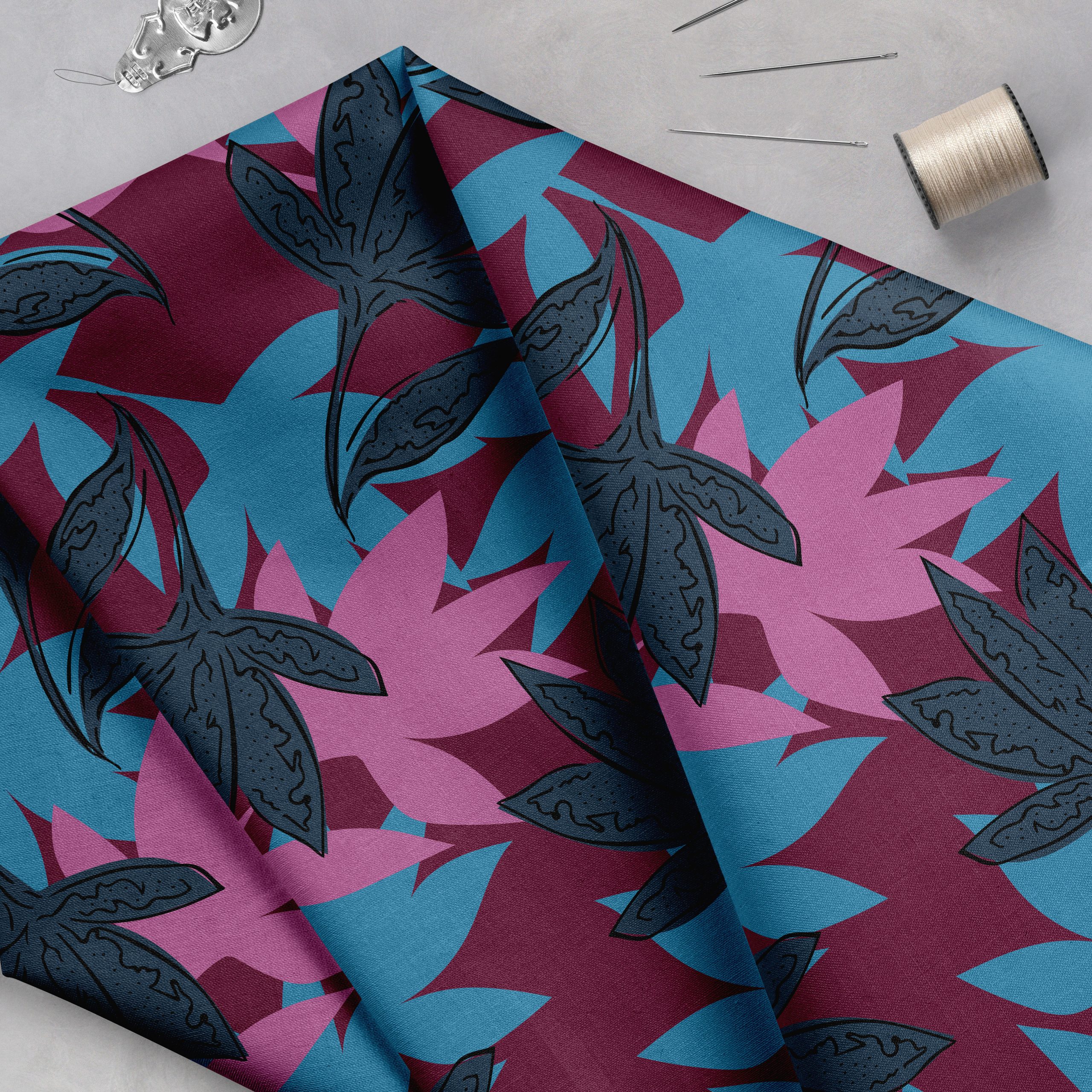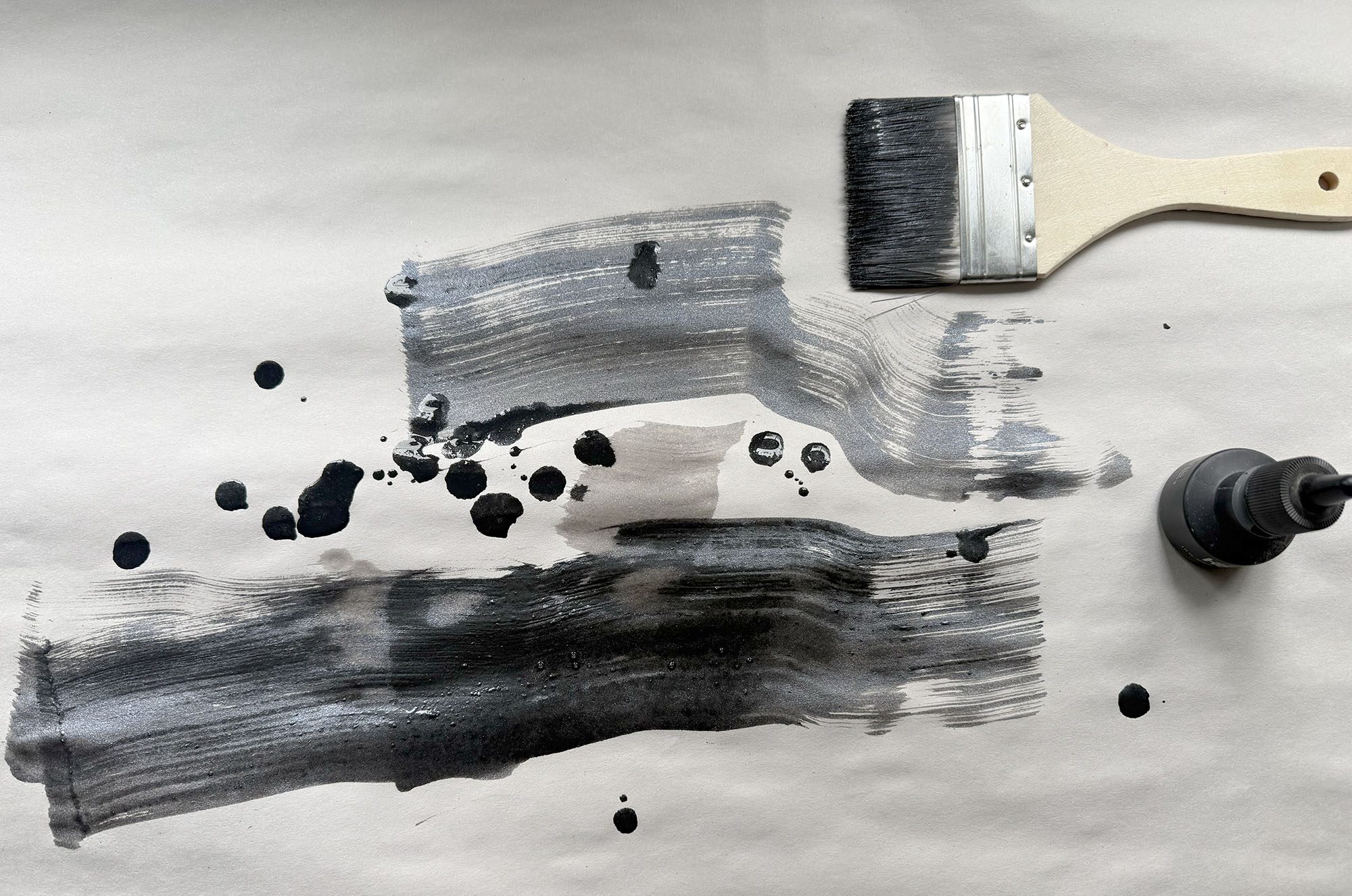
For our second round of interviews on commencing a creative project, we asked nine designers about utilizing constraints, working with direction vs. discovery, committing to a project, incorporating a signature style, and the effects of having to restart. Before we dig into their intriguing thoughts on their creative process, let’s meet the designers!
Siobhán Bradfield is a freelance designer for swimwear and active wear. Sabine Burmeistere designs for luxury fashion and home decor brands. Jenni Kuhr is a freelance illustrator and surface designer. Home decor designer Leila Mohammadi specializes in ornamental and floral patterns. Laura Olivia worked independently and in-house for studios over the years. She is currently working for Peggy Wilkins Textiles. Lise Petrauskas has recently entered the surface and textile world after a career in botanical illustration and painting. Isabelle Rowell sells her artwork and patterns on Spoonflower. Brigida Swanson founded Yardia, a stationery and gift brand specializing in illustrating the nature of the Pacific Northwest. Ellie Wilder makes bespoke products for apparel and home.
Siobhán Bradfield
Do you prefer to begin with constraints (size, color, format), or do those come later? Have you ever set an arbitrary rule just to get yourself moving? What happened?
I usually start a design with painting to get a feel of the collection that I am working on, focusing on colour. Then I go further to work on the format and the size. I tend not to set rules for myself, but it helps to do research on prints if I am not in the mood to create. Depending on if it is a print for a client, one for my portfolio, or an upcoming print shop, I would either start with research or go straight into painting, and then do research in the design development phase. I think mood boards are a wonderful tool for inspiration and to have a guideline on what to design.
When you start, do you already have a clear direction, or are you discovering it as you go?
I love working with my creative intuition and going with the flow, taking the colours that I feel are right in the moment and letting my fantasy play with layout and composition. I do think when going further, and I have some paintings that fit together, that it is good to map out the different prints and see how they look with each other in a collection, so that it makes sense and it tells a story.
Once you’ve started, what helps you stay with the work rather than abandon it?
For me, it’s really different phases that I live in. This is why I really love preparing prints for a fair: it’s very inspiring for me to have periods when I just work at home in my studio, all by myself, without any distractions. This is also the time when I really go into creating. Other times, I am not in the mood to create, to paint, or to draw, and then I either work in Photoshop on layouts or I do something entirely different, like working on my marketing or reaching out to potential clients or other colleagues. When I make prints for clients, I work mostly on custom prints, and I do like that as well. To see how individual prints can be for different brands.
Are you thinking about your “style” when you begin, or does that emerge later?
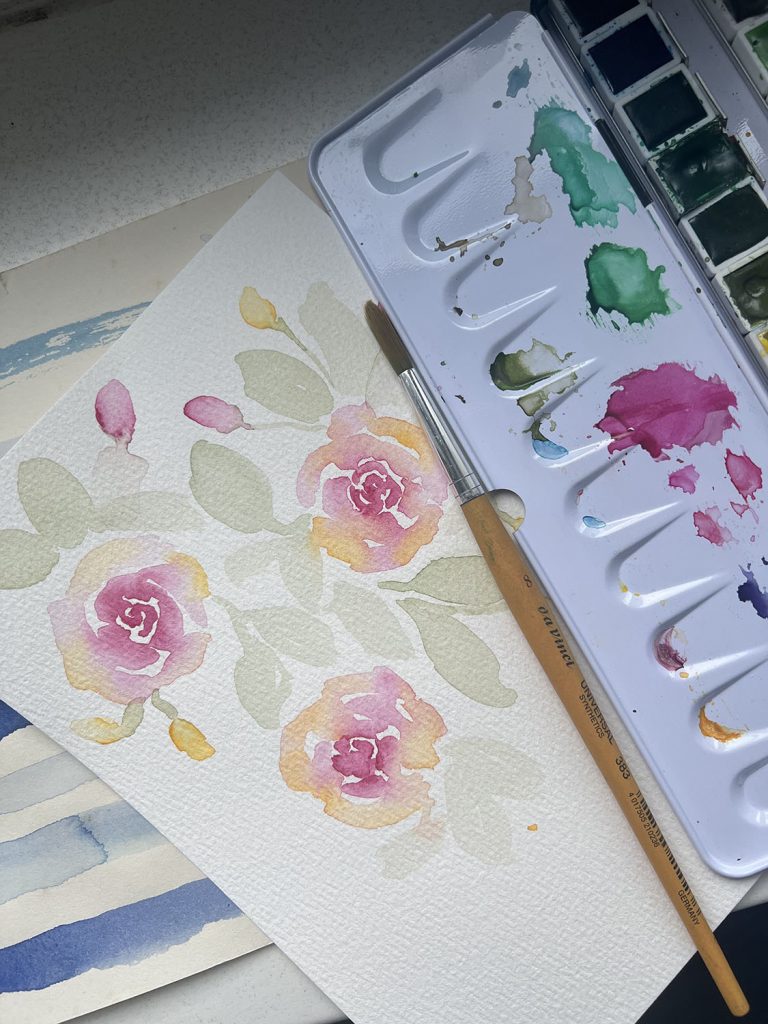
I often think about my style and what it is about my work that stands out or is different from other surface designers’. I am still, or again, in the process of finding my creative identity. When I paint, I do love watercolours at the moment, and I have worked the past two years on my skills in that area. I used to do digital print designs when I was studying fashion design. We had some courses on textile design, and I always loved working in Photoshop. After a while, I was thinking how I want to express myself and what medium I would like to use that is not digital, and this is when I came across aquarell colours. I wasn’t good at all at the beginning, but I knew it takes practice and patience.
Is restarting part of your process, or something you resist?
Restarting is a very important thing in my opinion, with anything in life, if something doesn’t work, I don’t hesitate to restart. I think it’s a strength to try things again that you already tried and didn’t work. For surface designs, I did restart things in the past, when I was in the creative process of design development. It was more in a time when I don’t feel creative, and then I make something, it can happen that I don’t like the result afterwards. But sometimes it can even be the opposite, and you think it’s not a good design, and then you look at it a few days later, and you think, oh, I can use this!


Sabine Burmeistere
Do you prefer to begin with constraints (size, color, format), or do those come later? Have you ever set an arbitrary rule just to get yourself moving? What happened?
I always start with a strategic idea and only then try to structure it. I very rarely start with constraints (size, color, format) because they are constraints that prevent the idea from flying. Both the idea and the constraints need to be kept in professional balance, because changing the size, color, and format mid-development alters the composition and visual quality.
When you start, do you already have a clear direction, or are you discovering it as you go?
Just like when you start a journey, and even knowing a specific destination, you can never predict all the adventures and experiences that will happen along the way. I consider each of my projects an exciting journey into the world of creative emotions. Yes, at the beginning, I definitely have a strategic direction, in which I always keep in mind the product I am designing for and its end user. Still, during this process, several great side directions are revealed that can be developed and offered to a different consumer audience.
Once you’ve started, what helps you stay with the work rather than abandon it?
It’s my determination and impatience to see the result as soon as possible and, of course, meet deadlines.
Are you thinking about your “style” when you begin, or does that emerge later?
I have found my own signature style, which I organically improve with each new design, but I also try not to make my work too similar and boring. I continue to experiment and improve, using various new tools and techniques. Working in different styles has the potential to offer my designs to different audiences and achieve greater success.
Is restarting part of your process, or something you resist?
Restarting is a very important part of professional growth. Taking a break and looking at the whole creative process from the outside. Without being interested in the result. And if in the morning I don’t like what I made the night before, then I have already grown professionally overnight…
Jenni Kuhr
Do you prefer to begin with constraints (size, color, format), or do those come later? Have you ever set an arbitrary rule just to get yourself moving? What happened?
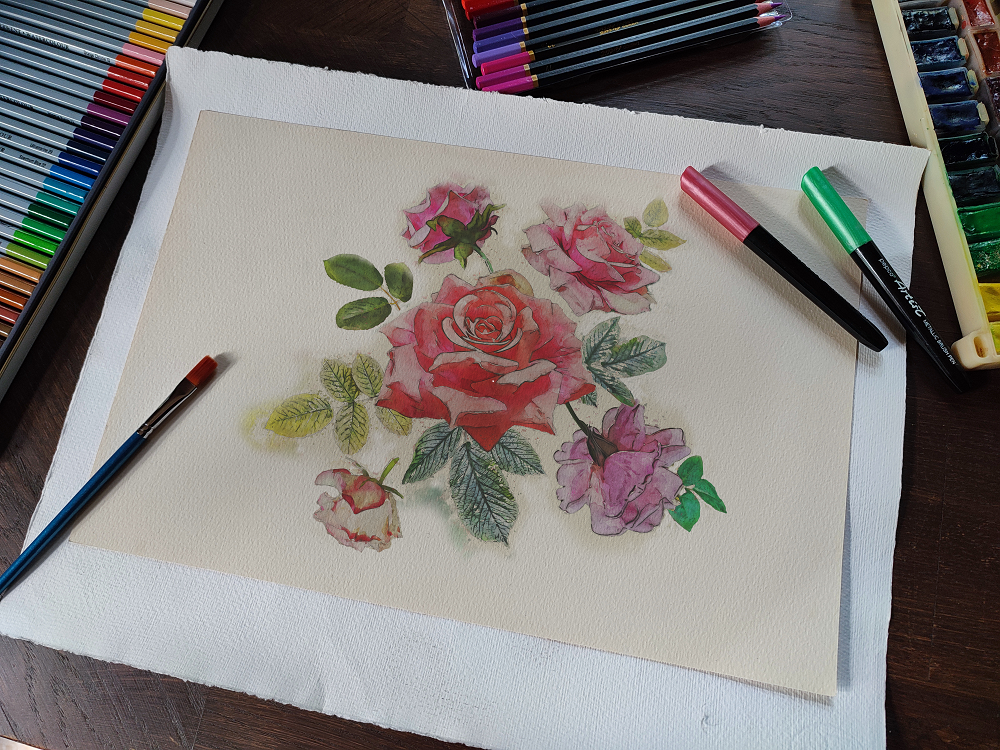
I usually start with images and visual inspiration, and more recently, trend boards have become an integral part of my process. Not as a constraint, but more as a way to gather a mood, feeling, or direction before I begin sketching. From there, I tend to work very intuitively and instinctively. I really shoot from the hip and let the work evolve naturally as it develops.
Any constraints usually come later. Sometimes a motif starts repeating itself in different ways, or the palette naturally narrows over time, but those decisions tend to happen organically rather than being forced upfront. That said, I have set arbitrary rules when I need momentum. Sometimes I’ll limit myself to a restrained palette or focus on a particular subject matter just to create a starting point. Having that small framework can actually open up even more ideas once I get going.
When you start, do you already have a clear direction, or are you discovering it as you go?
I do start with some direction, but I keep it open enough to discover things as I go. Once I get into it, things can shift, and I tend to go with that. That’s usually where the better ideas come from.
Once you’ve started, what helps you stay with the work rather than abandon it?
When I’m working toward a finished pattern, and it’s not coming together, I can usually tell pretty quickly after a couple of versions. What helps me stay with it is working through a few different directions before giving up on it. I’ll try recoloring, shifting the scale, or moving motifs around to see if something clicks. If that doesn’t work, I let it sit overnight and come back with fresh eyes. That pause usually helps me see a new way forward. If it still doesn’t feel right, I’m not afraid to start over.
Are you thinking about your “style” when you begin, or does that emerge later?
I might think about it at the beginning, but I don’t stay focused on it for long. It tends to take care of itself. My style really comes through as I’m working rather than something I try to control upfront. It’s something that’s built up over time, and I’ve learned to trust it to show up.
Is restarting part of your process, or something you resist?
I have no problem restarting. It is a part of my process and often leads to something stronger than where I started. When something isn’t working, I’ll go back to the original sketches and push things in different directions. Sometimes that means stepping all the way back to the beginning and reworking it from there until it feels right. Restarting isn’t a setback for me—it’s often how I get to a better pattern.


Leila Mohammadi
Do you prefer to begin with constraints (size, color, format), or do those come later? Have you ever set an arbitrary rule just to get yourself moving? What happened?
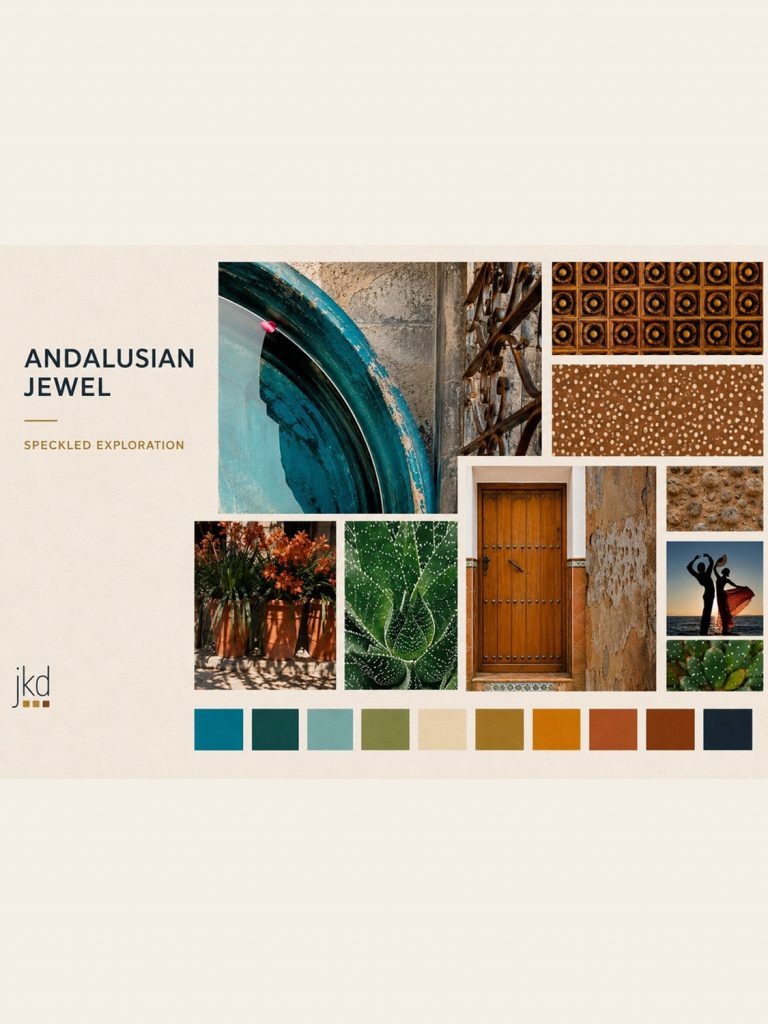
I often start intuitively, following my mood and letting my emotions guide the patterns I create. Sometimes, I just begin by drawing expressive shapes or ‘imaginary flowers’ on paper without any fixed boundaries, enjoying the freedom that comes with an open-ended process. However, I also rely on powerful sources of inspiration that provide a framework for my work—specifically, traditional Persian arts, such as Persian calligraphy and Persian carpet motifs. While the intuitive approach allows me to feel liberated, these traditional elements bring a sense of structure and identity to my designs.
When you start, do you already have a clear direction, or are you discovering it as you go?
Most of the time, I start with a clear general idea, I might even have a specific color palette or theme in mind, but I don’t plan out every single detail beforehand. I prefer to discover the intricacies of the design as I go. For instance, there have been many times when I developed a coordinate pattern directly from the details of my main design only after it was finished. I had no prior plan for that second piece, but it revealed itself through the elements of the primary work. This spontaneous process allows the collection to grow naturally, turning the finished details of one piece into the starting point for the next.
Once you’ve started, what helps you stay with the work rather than abandon it?
What keeps me staying with the work is the genuine excitement of seeing the final result come to life. I usually start by hand-drawing my patterns and then move to the computer to create repeats and layouts. This stage of playing with forms and colors is where I can easily lose track of time; the digital possibilities are so endless that I often find myself getting stuck in the details. Because of this, I’ve learned that I have to intentionally set a stopping point. Otherwise, I would just keep tweaking the design forever instead of actually finishing it.
Are you thinking about your “style” when you begin, or does that emerge later?
For me, style is a conscious foundation rather than something that emerges later. I have developed a structured visual identity divided into three distinct collections, each with its own starting point. My ‘Oriental’ collection is a modern interpretation of traditional Persian art, blending calligraphy with the disciplined frameworks found in Persian carpets and Islamic geometry, often using bold, rich colors. In contrast, my ‘Floral’ collection represents my need for liberation; it’s where I explore free-form designs inspired by the world of flowers. The most personal part of my work is the ‘Floriental’ collection, which serves as a fusion of the two—combining the structural discipline of the Oriental style with the organic fluidity of the Floral motifs. By defining these frameworks before I begin, I ensure that each piece has a clear identity. These structures don’t limit me; instead, they provide exactly the kind of flexibility I need to move between rigid tradition and creative freedom.
Is restarting part of your process, or something you resist?
I’ve always found it difficult to accept that a design might not work out. In the past, especially during the digital layout stage, I would stubbornly spend hours trying to save a pattern that wasn’t coming together. However, experience has taught me that the time invested often outweighs the final result. I’ve realized that while some motifs naturally click from the start, others simply won’t reach that satisfying conclusion, no matter how much effort I put in.
Because of this, my process has shifted toward evaluating my hand-drawn sketches more critically before they ever hit the computer. To be honest, it’s a constant learning process and a balancing act I’m still perfecting. I still find myself caught in that trial-and-error loop sometimes, because I’m learning with every design that sometimes the bravest thing an artist can do is start over.
Laura Olivia
Do you prefer to begin with constraints (size, color, format), or do those come later? Have you ever set an arbitrary rule just to get yourself moving? What happened?
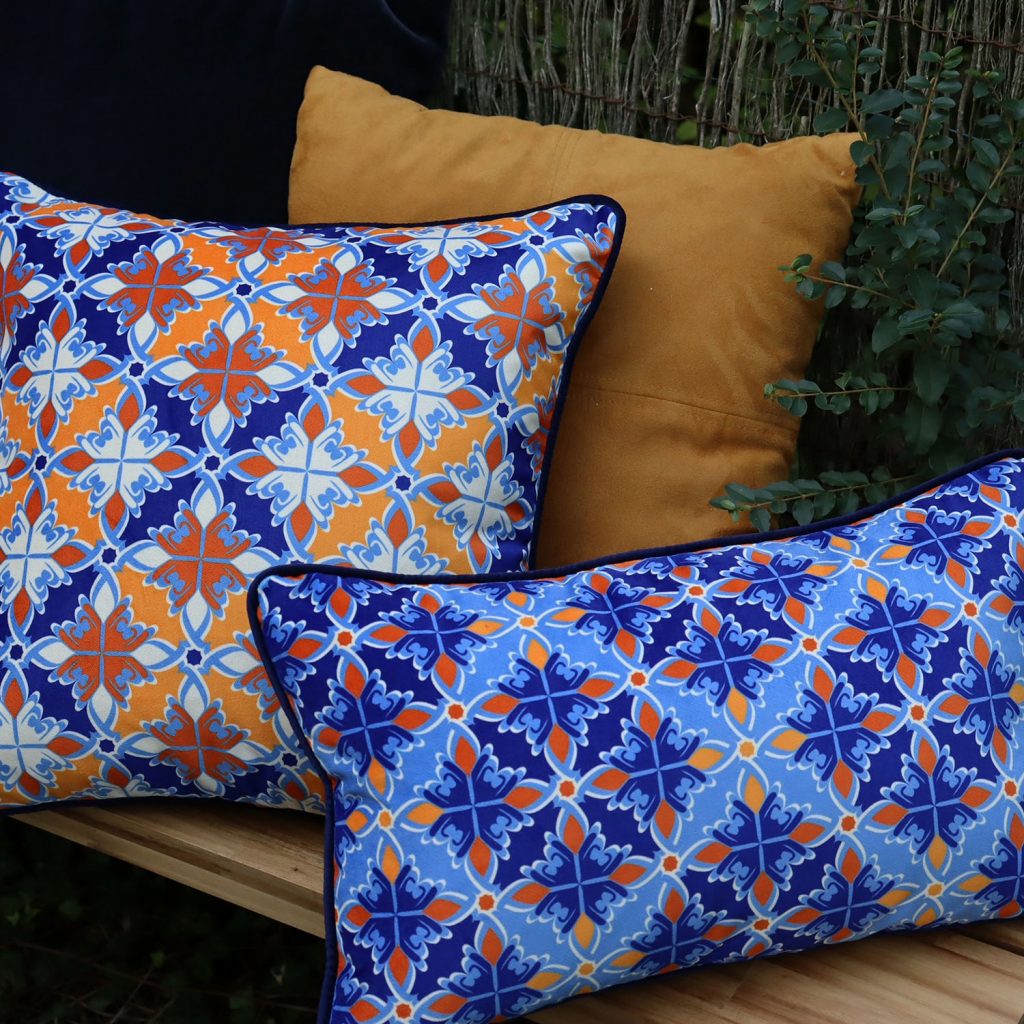
Yes, we have a set size for our products at work. We mainly design table runners and cushions, so the sizes are predetermined. I often decide on a rough colour palette beforehand, looking at what has been popular in the past or what is on trend for the next year, and decide on the theme at the same time. For example, the design I’ve just started is going to be a purple & blue floral pattern based on a design that did well before, and I’m adding bees as they are always popular with our target market, which is mainly garden centres. If I’m undecided at any point about starting a design, I give myself a deadline of when I just need to start and see what happens.
When you start, do you already have a clear direction, or are you discovering it as you go?
I prefer to have a clear direction and use Pinterest to collate ideas, then I pick the images that mostly resonate with me and put them on an art board, where I will then begin my artwork. Of course, some designs can veer off course if they just don’t work out. For example, I’ve just completely changed the layout of a design as it just wasn’t flowing, and that has done the trick.
Once you’ve started, what helps you stay with the work rather than abandon it?
I like the challenge of making them work somehow. Often, the other designers I work with will take a look, and they may see parts that they think could work in a different layout or colourway. It’s really useful to have a second opinion.
Are you thinking about your “style” when you begin, or does that emerge later?
No, as I’m designing for the company I work for, and we don’t really have a particular style, we offer multiple design styles to target different customers and have more reach. When I worked for myself, I did think about that much more closely.
Is restarting part of your process, or something you resist?
I’ve just gone back to the drawing board on a design, but reused some of the elements. It’s not often I completely restart, but that is probably from years of experience and knowing what is likely to work and what isn’t.
Lise Petrauskas
Do you prefer to begin with constraints (size, color, format), or do those come later?
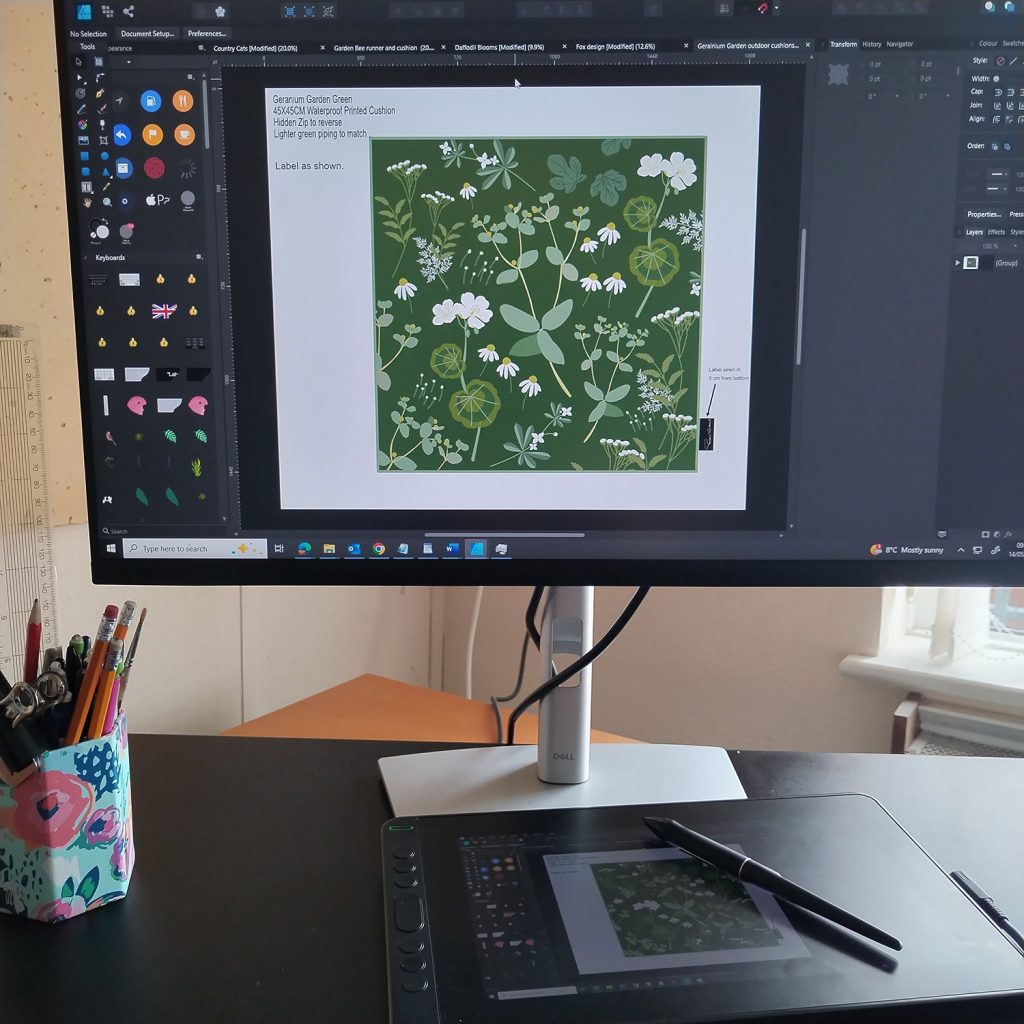
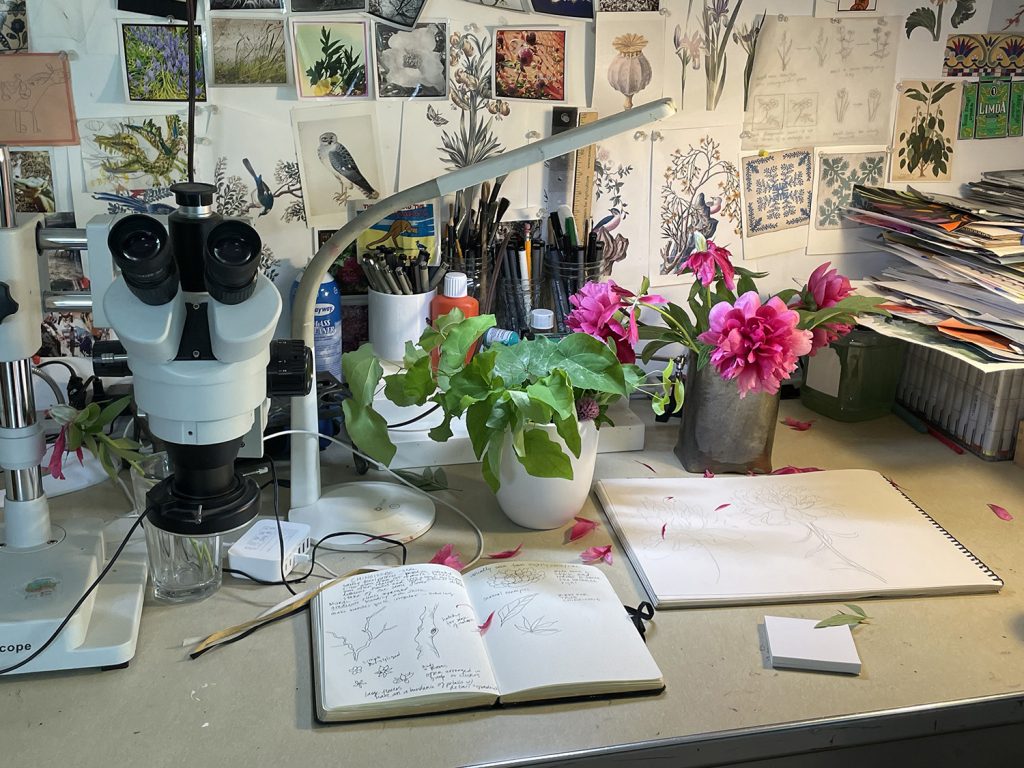
It’s such an interesting question because I don’t start creating with the final product or outcome in mind, but there are decisions that I make before I even start a creative session that determine what kind of work I’ll be making. If I have time to work in my studio, and if I’m starting from scratch and not picking up work in progress, I often have something from nature that I’ve collected on my morning walk or in my garden, a flower, a branch, or a seed pod, that serves as a starting point for a sketch. Pencil or pen and ink are the easiest for me to pick up and do some loose sketching just to get warmed up. If I choose to work on the iPad, it’s usually when I’m more physically tired, say, at the end of the day, and then I tend to browse through my camera roll to find images as a jumping-off point. Sometimes, as a preliminary, I import a photo to Fresco and create a palette by using live brushes to mix colors together. Capture is also a really fun way to play with images, both in making “shapes” for use later in patterns.
Have you ever set an arbitrary rule just to get yourself moving? What happened?
Sure, especially recently, when I’ve been trying to learn new techniques, I will challenge myself to stick to a set of instructions from a tutorial and make the exact thing that is being taught, even if it’s not my style, for the purposes of understanding the process. I’ve gotten some fun results from doing that and then immediately afterwards, following the same process, but with less constraint to create something that is unique.
When you start, do you already have a clear direction, or are you discovering it as you go?
I am definitely in the camp of not having a clear plan at the outset. My best work comes from allowing my intuition to guide me without the expectation of a particular result. On occasion, I’ll get a pretty clear mental picture of something I want to create, but I don’t necessarily know how to get there, especially with pattern design, which is a relatively new discipline for me, and that forces me to be open to seeing what unfolds.
I have a bulletin board in my studio on which I put images, paintings, small studies, or paper scraps. I will change the images every few weeks, but photograph various combinations I like before I take it down. I find that later, when I’m going through my camera roll, those images of the board will spark something. I also like to import artwork from my archive and put it into the PatternDraw app, which cuts things up to fit various pattern layouts, and that can be a really fun jumping-off point. But rarely is there a clear path on day one. I’m making things, responding without a specific plan, and returning to see what comes next.
Once you’ve started, what helps you stay with the work rather than abandon it?
I don’t like abandoning anything. I think my problem is the reverse; I struggle to let go of projects. I may take long breaks from things and still feel pressure to finish/perfect every last thing I’ve started, which, if looked at in a certain light, suggests I don’t trust myself to have good ideas in the future! The lure of keeping everything is enabled even more by the workflow I often use with digital media, where I start something and like it, so I duplicate it and then experiment on the copy. This can lead to an interesting collection of iterations, but the downside is that the files are cluttered and confusing. I’m getting a bit better at labeling versions, not just leaving everything as Untitled Copy 7, or whatever! I absolutely see the value in choosing to let things go, but it’s easier said than done!
Are you thinking about your “style” when you begin, or does that emerge later?
I’m not thinking about my style, per se, but I am letting myself be free to explore what pleases me. I’ve made art for many years, and I trust that my style will come through if I allow myself to explore and really keep true to what looks good to me.
Is restarting part of your process, or something you resist?
I don’t have a problem with restarting, as that is part of my creative process. When I’m in the thick of exploration, I will do a lot of pretty radical things and feel pretty excited about them, but then I need to let my eyes rest, and the ideas percolate. When I restart, I often see immediately that certain experiments weren’t great, but usually there’s something there that intrigues me, or gives me an idea for something else to explore in the future.

An example of my love of restarting is that I often use work from my archive as an artist as a starting point for patterns. It’s like having a conversation with the impulses of a previous version of myself. Of course, there are explorations that I may never come back to, and if there were infinite time, I’d love to come back and refine everything, but there is always new work to be made, too, so there’s this rhythm that develops between working sessions. I’m always starting something new, and also always checking back in on projects in process. It’s like Christmas, opening up a file I haven’t looked at in a while and seeing what I can do with it.

Isabelle Rowell
Do you prefer to begin with constraints, or do those come later? Have you ever set an arbitrary rule just to get yourself moving? What happened?
I don’t have one set way of starting because every project asks for something different. If it’s a personal project, I usually begin by instinct. It starts with an idea or a feeling that won’t leave me alone. If it’s a prompt, then the first constraints come from the brief. As I work, I notice other limits or patterns forming on their own. Those “adjacent constraints” help me understand what the project wants to become. No matter how it starts, I eventually set clear rules so everything moves in the same direction. It’s like herding a flock. The early stage is open, but the later stage is about guiding the work into one coherent shape. Constraints don’t limit me. They help me finish. To clarify the destination.
When you start, do you already have a clear direction, or are you discovering it as you go?
I don’t always start with a clear direction. I begin by researching so I know what my options are. I look at trends, techniques, and styles that could work. Then I remove anything I don’t have time for or tools for, and I also remove the obvious choices that everyone else will probably do. That leaves me with a smaller set of ideas worth exploring.
From there, I draw assets for two or three directions. Sometimes I get blocked, and that idea becomes a work in progress to revisit later. Other times, one idea blends into another, and something new comes out of it. I often have several WIPs at once. In the end, one or two merge into the final design, and the rest become seeds for future projects.
Once you’ve started, what helps you stay with the work rather than abandon it?
The truth is, “abandon” isn’t really part of my reality. Some projects are in “reinvention”. If I commit, I deliver. I don’t stay with a project because I’m attached to it. I stay with it because I made a conscious choice at the start.
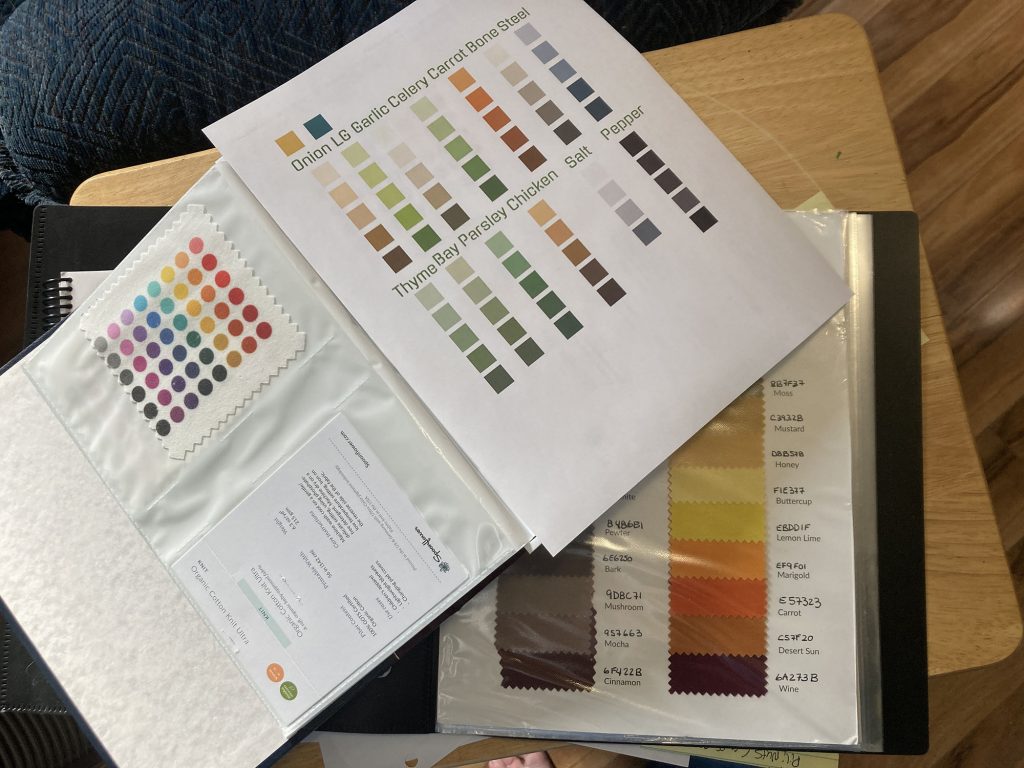
I manage my time and priorities. I balance three on‑call jobs, family, health, and my art, so I rely on a wall calendar with color-coded deadlines and cue cards for my bigger goals. When something makes it there, it has a daily progress. That system keeps me moving even when life is busy. If I put a project there, it’s getting done. I know what I can get done in five minutes, fifteen minutes, an hour, or three hours. I work in those blocks and take breaks to decide what needs attention next. I’m self-motivated and meeting a deadline feels good. If there’s a soft deadline and it doesn’t get done, I don’t think of it as abandoning a project. Priorities shift. Some things need to be finished right away, and others can wait. What needs doing gets done.
Are you thinking about your “style” when you begin, or does that emerge later?
My style is part of me. I trust it will show up on its own because I’m the one making the work. Even if I try to draw in the spirit of someone else, the details still come out as mine. I can’t be anyone else. I don’t have a name for my style, and I don’t try to define it. I’m not analyzing it. It just shows up through the choices I make and the way I draw or whatever I exclude.
Is restarting part of your process, or something you resist?
Restarting is definitely part of the process. I embrace it as a journey. Some ideas need that space to take shape. Thankfully, most projects go straight from start to finish. It’s more of an adjustment. There are always things that can be recycled out of whatever you did prior to realizing you were going astray. You learn something each time, and the next attempt is never the same. It’s always moving forward, even if it looks like stepping back for a moment. I’ve had to restart many times in my life because of work, health, or family, so it makes sense that my art works the same way.

Brigida Swanson
Do you prefer to begin with constraints (size, color, format), or do those come later? Have you ever set an arbitrary rule just to get yourself moving? What happened?
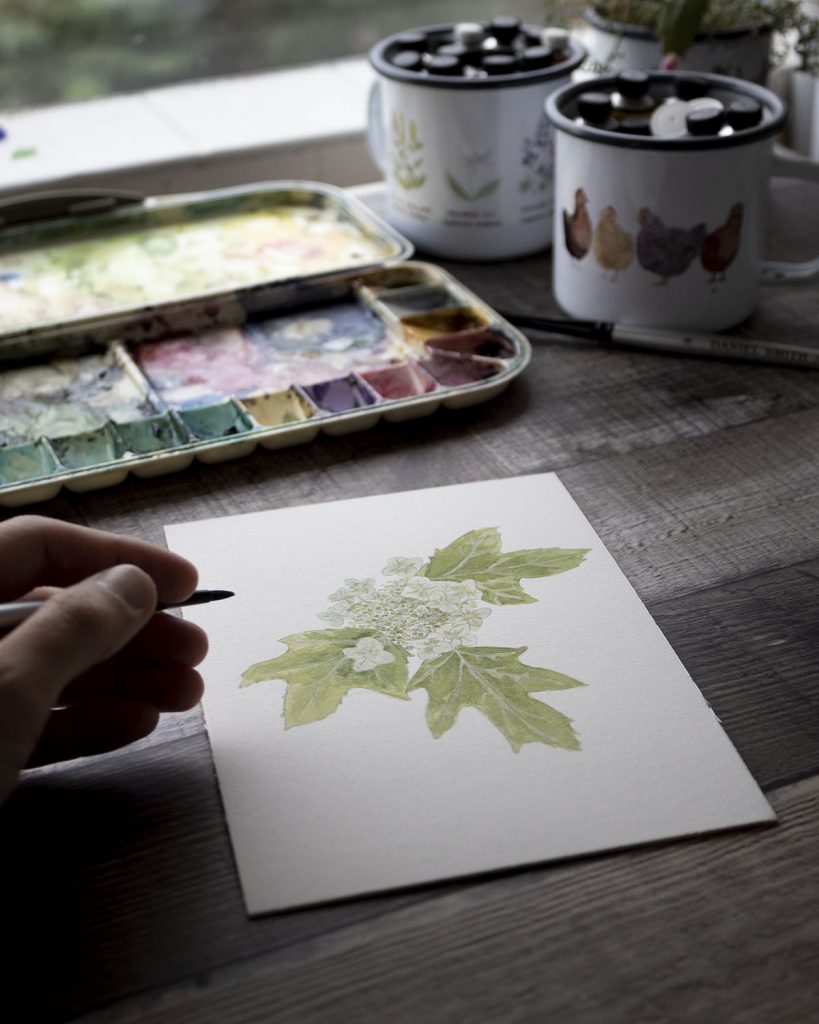
When I’m planning a collection, I’ll usually start with one nature identification art print I want to create that will guide the rest of the collection. The art print has a lot of arbitrary rules to it that help me to get started: 9 or 12 species to include, within a specific environmental region and theme, painting each plant or animal separately on a 5×7 paper that I can then physically lay out on my wall to see how they all work together. For instance, right now I’m working on a collection inspired by marine mammals found along the coast of the Pacific Northwest, something my customers have been requesting for many years! When I start with a specific theme like that, I find it’s easier for me to build a collection around it–greeting cards, stickers, and tea towels that all incorporate elements of the original art print. It’s a repeated routine that helps me to access my creativity a little more easily.
When you start, do you already have a clear direction, or are you discovering it as you go?
As a greeting card designer, I usually have a direction based on the season of what types of cards I’ll need to create. For instance, for the summer collection I’ve been working on lately, I knew I’d need to include the usual birthday, thank you, and love cards, but also fall and winter holiday cards like Halloween and Christmas. But from there, I discover as I go how I’ll relate my paintings to those occasions, which is often a fun surprise to see what happens!
Once you’ve started, what helps you stay with the work rather than abandon it?
To help me stick with the process, I draw from my experience as a former middle school art teacher and helping my students with the same challenge. I remind myself that every artwork has to reach the “bad stage” where it seems like the whole painting is terrible, and I should just give up. It’s a natural step before it can reach the finished stage. Reminding myself that this is something that happens every time, for everyone, keeps me pushing through that stage until the artwork becomes something I’m happy with once again.
Are you thinking about your “style” when you begin, or does that emerge later?
Since I work in watercolor in a rather botanical illustration style, the style usually emerges naturally as I go through the process. It’s not something I’m thinking about at the beginning, but it emerges as I begin to add in the backgrounds and any lettering as I reach the design stage beyond the initial paintings.
Is restarting part of your process, or something you resist?
Every once in a while, I’ll redo a piece that I’ve taken to a finishing point, but I’ll usually try to take a break from the piece for a day or two first to make sure it’s really something I want to do, and if there’s a different way I can approach the piece on the second try. Sometimes doing the second version makes me appreciate the first one more, and sometimes restarting helps me to get to a more creative solution!
Ellie Wilder
Do you prefer to begin with constraints (size, color, format), or do those come later? Have you ever set an arbitrary rule just to get yourself moving? What happened?
I usually don’t begin with constraints. I usually have a photo or some kind of picture whose colors and textures inspire me. Sometimes, when asked, I choose a topic. Then my next step usually goes to photography or drawing on my iPad (sometimes I may trace a photo, most of the time I draw/paint abstractly)
When you start, do you already have a clear direction, or are you discovering it as you go?
Pretty much no set direction. Direction and story follow whatever is coming out that day. I am not very story-oriented. My patterns are very ‘being’ oriented.
Once you’ve started, what helps you stay with the work rather than abandon it?
My pictures often go into digital apps like Decim8 or Hyperspektiv on my phone or iPad. These apps break the picture up according to different algorithms and create new forms out of what’s in the picture. The new forms are so varied that it keeps my interest. If I see anything I may want to continue on with, I save it to my camera roll. I mostly save the ones that bear no resemblance to the original photo, except maybe in color or texture. Then, often, I layer these up. This process is fun and surprising, so my focus stays clear. But to answer more specifically, interruptions to my daily life are what make me abandon ideas. When I come back, the thread is usually cold, and I start back in another direction. Nothing is ever really completely abandoned, though, just paused.
Are you thinking about your “style” when you begin, or does that emerge later?
What I do is my style, so I don’t really think about it too much. The more I think about my style, the more blocked I get. I’ve been an artist for a long time, and some important people have told me they can recognize my style, so I go with that instead of creating an effort out of it.
Is restarting part of your process, or something you resist?
I would say my work usually doesn’t go in a straight line. Nor do I start over. If a specific piece is not working or produces too many unsatisfactory results, it’s usually set aside. But it could be picked up later and reimagined or reused. Any work I do, however, consists of starts and stops all the time.